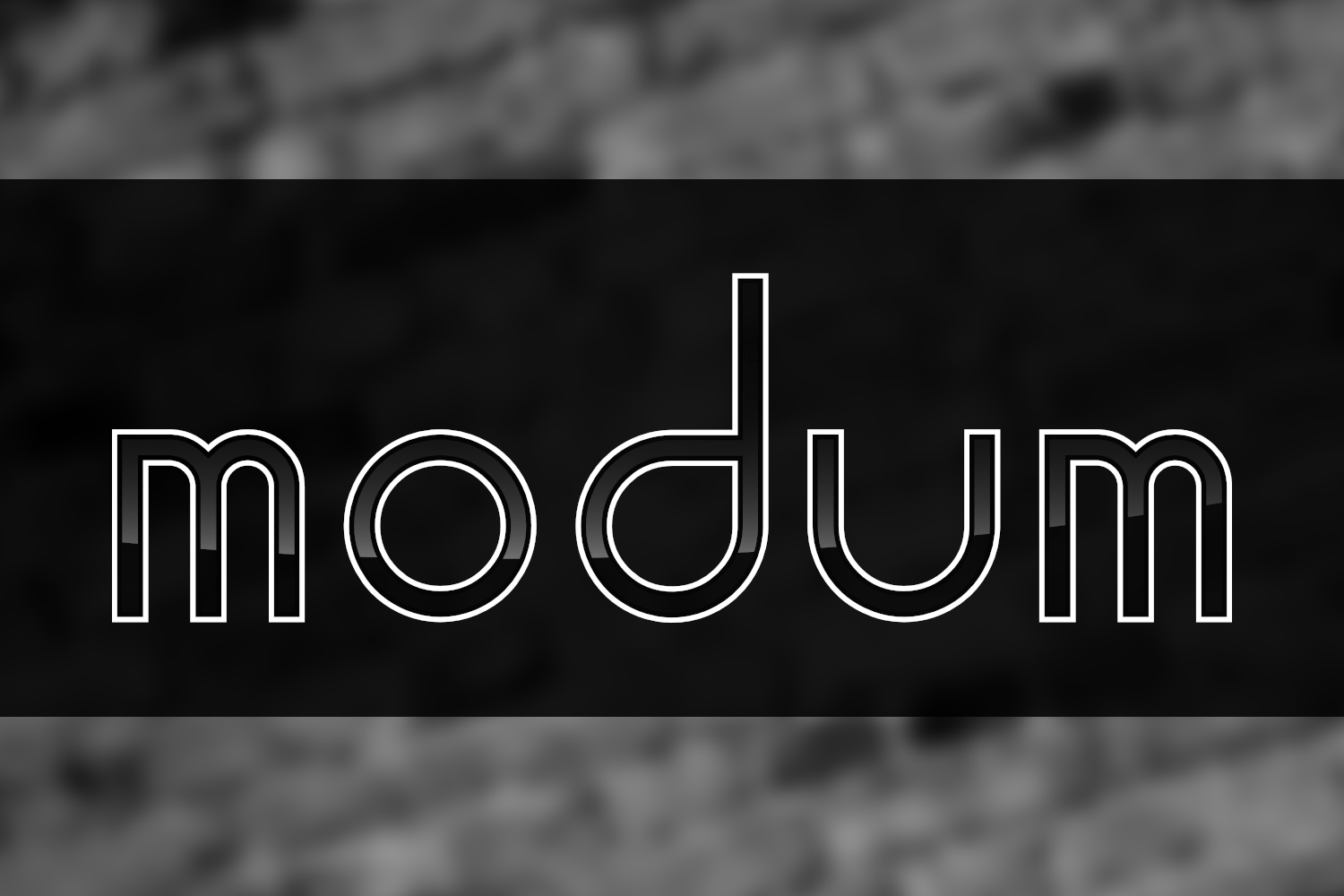
Modum: The Modular Platform for Digital Success
If you have ever struggled with rigid tools that force you into a specific workflow, you know how valuable flexibility can be. Whether you are managing content for a blog, organizing a team project, or building a digital presence for your business, the ability to adapt quickly matters. Enter Modum—a platform built around the idea of modularity, where you assemble exactly what you need without unnecessary extras. This approach is refreshing for anyone tired of one-size-fits-all solutions. Instead of wrestling with software that fights your process, Modum lets you shape it to fit your real-world needs.
What Makes Modum Stand Out?
Modum is not just another content management system or collaboration tool. It is designed from the ground up to be modular, meaning you can pick and choose components based on your specific goals. Think of it like building blocks: you start with a core foundation and then add modules as you grow. This structure reduces bloat and keeps the interface clean, which is a big win for productivity.
One of its key characteristics is scalability. A freelancer might begin with a simple portfolio module and a contact form. As their client base expands, they can integrate project management, invoicing, and analytics without switching platforms. For a marketing team, the same core system can handle campaign tracking, asset libraries, and client dashboards. This adaptability makes Modum a strong choice across many use cases.
Another standout quality is integration. Modum plays well with other tools you already use, such as cloud storage services, calendar apps, and social media platforms. You are not locked into an isolated ecosystem. Instead, you build a connected workflow that pulls data where it is most useful. For example, a blogger could connect their media library directly to their image editor and schedule posts through the same interface. It reduces the friction of jumping between tabs.
Customizability Without the Headache
Customization often comes with a steep learning curve, but Modum focuses on user-friendly options. You can adjust layouts, define roles, and set permissions without touching code. If you do have development skills, you can extend functionality with open APIs. This balance means both non-technical users and experienced developers find value. For a small business owner, setting up an inventory module might take minutes. For a tech-savvy creator, building a custom dashboard for audience insights is straightforward.
The appearance of your projects also stays consistent. Modum uses a modern, clean design language that emphasizes readability and accessibility. Whether you are publishing articles or sharing internal documents, the look feels professional and cohesive. This can improve branding for entrepreneurs and trust for educators sharing course materials.
Personal Projects and Hobbyists
For personal use, Modum simplifies organization. Imagine you are managing a home renovation project. You can create a module for budget tracking, another for vendor contacts, and a third for photo logs from each stage. Everything stays in one place, accessible from your phone or laptop. Hobbyists like photographers can build a portfolio with a gallery module, then add a booking system for client sessions. The modular approach means you only see what you need, reducing distraction.
Professional Teams and Agencies
In professional settings, collaboration becomes smoother. A marketing team can set up a shared workspace with separate modules for content calendars, design assets, and client feedback. Because each module is independent, team members focus on their specific tasks without cluttering the view of others. Project managers appreciate the ability to assign permissions, so freelance contributors see only their assignments. This granular control improves efficiency and reduces miscommunication.
Agencies handling multiple clients benefit greatly. You can duplicate a base setup and customize each client’s dashboard with their branding and relevant modules. This not only saves time but also ensures a consistent experience when presenting reports or drafts. The modular structure also makes it easier to onboard new team members since they can learn one module at a time.
Educators and Trainers
Educators can use Modum to create online courses or training materials. A module for video lessons, another for quizzes, and a forum for discussions—all integrated with progress tracking. You can share access with students and adjust content as the course evolves. For corporate trainers, this means fewer platform costs and a single point of truth for compliance documentation. The simplicity of the interface helps learners stay engaged rather than fighting with complex menus.
Similarly, bloggers and publishers find Modum useful for managing multiple content streams. You can have one module for drafting, another for SEO analysis, and a third for social media scheduling. Instead of juggling separate tools, everything connects. An editor could review drafts and directly tag them for publication, reducing turnaround time.
Business Owners and Entrepreneurs
For business owners, Modum supports both customer-facing and internal operations. A small e-commerce store might use product catalog modules, payment gateways, and order tracking. Meanwhile, the same system handles employee scheduling and inventory alerts. This unification reduces the need for multiple subscriptions and simplifies data management. As your business grows, adding a CRM or email marketing module keeps your pipeline intact without migrating data.
The Real Benefits of Using Modum
The most immediate benefit is usability. Because Modum avoids feature bloat, new users can navigate the interface quickly. I have seen freelancers set up a functional workspace in under an hour. The learning curve is shallow, which matters when you are focused on delivering results. Efficiency also improves thanks to automation options. You can set triggers—like sending a notification when a task is updated or publishing content on a schedule—so routine work happens in the background.
Appearance and branding remain consistent even when you expand. For a creator, this means your portfolio looks polished from the first module to the last. For a business, it reinforces brand identity across every client touchpoint. And because Modum prioritizes accessibility, your content reaches a wider audience, including those using screen readers or other assistive technologies.
Communication flows better when teams use the same platform. Instead of scattered emails and chat threads, discussions stay attached to specific modules—like a comment on a design draft or a note on a budget item. This structure reduces lost context and speeds up decision-making. Productivity gets a natural boost as you spend less time searching for information.
Practical Observations and Recommendations
After using Modum for different projects, I have a few practical tips. Start small. Pick a single module that solves a pressing problem—maybe a task manager or a content calendar. Once you get comfortable, gradually add modules. This approach prevents overwhelm and helps you understand how each piece connects. For example, a blogger might begin with a writing module, then later add analytics and social media modules as their audience grows.
Another consideration is integration with existing workflows. Before fully adopting Modum, test how it syncs with tools you rely on daily, like your preferred email client or cloud storage. Most integrations work smoothly, but it is wise to verify early. Also define user roles clearly. Whether you work solo or with a team, setting permissions from the start avoids security gaps and ensures everyone sees relevant data.
One observation: Modum works especially well for projects that evolve over time. A startup product launch might start with a simple task list and expand to include beta feedback, marketing collateral, and customer support tickets. The modular structure accommodates growth without requiring a platform change. For professionals managing multiple projects, the ability to duplicate modules saves hours of setup.
Finally, consider content reuse. Because modules keep data separate, you can export or repurpose information for other uses. For instance, a teacher could export quiz results to a spreadsheet for analysis, or a designer could repurpose graphics from one project to another within the same system. This flexibility aligns with the goal of working smarter, not harder.
Modum is not a magic bullet, but its modular design addresses a common frustration—rigid tools that dictate how you work. By giving you control over the building blocks, it lets you focus on what actually matters: creating, communicating, and delivering value. Whether you are a solo creator or part of a large team, exploring what Modum can do for your specific context is worth the time.