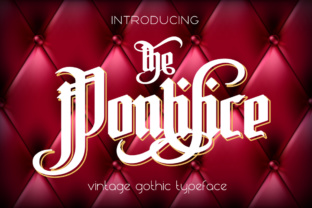
The Pontifice: A Bridge for Smarter Content and Brand Building
If you’ve spent any time trying to build an audience, launch a product, or simply get your ideas to stick, you know the gap between creating something and actually connecting with people is wider than most tools acknowledge. That’s where The Pontifice enters the conversation. It’s not another publishing platform or a rigid template system. Think of it more as a conceptual and practical framework—a bridge that helps you move from raw idea to polished, purposeful output without losing your voice or wasting time on unnecessary complexity.
Whether you’re a freelancer juggling multiple projects, a marketer refining a brand voice, or an educator trying to make complex topics stick, The Pontifice offers a structured yet flexible way to organize, present, and evolve your content. It’s built for people who care about clarity and connection, not just volume.
What The Pontifice Actually Does
At its core, The Pontifice provides a set of principles and reusable structures that help you create content that feels intentional and cohesive. Rather than starting from a blank page every time, you work within a system that encourages consistency—across your blog posts, newsletters, social media, course materials, or even client deliverables. It emphasizes modularity, meaning you can build small pieces that later assemble into larger projects, and adaptability, so the same core message can take different forms for different audiences without feeling repurposed or hollow.
One of its strongest traits is the focus on audience-centric design. The Pontifice doesn’t assume one-size-fits-all. Instead, it guides you to define the bridge between your expertise and your reader’s actual needs. That might sound abstract, but in practice it means you spend less time guessing what works and more time delivering value that lands.
Key Characteristics That Set It Apart
There are a few qualities that make The Pontifice genuinely useful for real-world work.
- Structural consistency without rigidity. You get guidelines that keep your content recognizable, but they don’t box you into a single format. Your voice stays yours.
- Emphasis on scaffolding. The framework helps you outline, draft, and revise in layers. This reduces the cognitive load of trying to perfect everything at once.
- Built-in flexibility for different mediums. A single concept can flow into a long-form article, a short video script, or a newsletter segment without needing a complete rewrite.
- Focus on clarity over cleverness. The Pontifice rewards writing that people actually understand and remember. It’s less about dazzling wordplay and more about making ideas stick.
These characteristics make it especially appealing for creators who work across multiple channels and need a system that doesn’t add friction.
Where The Pontifice Shines in Practice
The practical applications are broad, and that’s part of its appeal. Here are a few realistic scenarios where The Pontifice makes a measurable difference.
For bloggers and publishers
If you maintain a blog, you’ve likely experienced the fatigue of trying to keep a consistent voice across dozens of posts while also optimizing for search and readability. The Pontifice helps you establish a reusable content architecture. For example, you might define a standard post structure—opening hook, context, actionable section, reflection point—that becomes your signature. Readers start to recognize your rhythm, which builds trust and reduces bounce rates. It also simplifies editorial planning because you know exactly how each piece will fit.
For entrepreneurs and business owners
Small business owners often wear too many hats to spend hours polishing every email or landing page. The Pontifice gives you a lightweight but effective way to maintain brand voice across touchpoints. A product description, an about page, and a customer update can all feel like they come from the same place without requiring a dedicated copywriter. That consistency builds credibility faster than isolated bursts of great writing.
For educators and course creators
Teaching demands clarity above all else. The Pontifice works well here because it forces you to consider the learner’s journey before you write a single sentence. You can structure lessons around clear bridges—from what the student already knows to what they need next. This reduces confusion and makes your material feel more approachable. Many educators find that using The Pontifice cuts down on revisions because the initial structure already accounts for common questions and misunderstandings.
For marketers and freelancers
When you’re juggling multiple clients or campaigns, a repeatable framework is a lifesaver. The Pontifice helps you deliver consistent quality without reinventing the wheel each time. You can adapt the same core messaging for a LinkedIn post, a case study, and a presentation deck, all while preserving the strategic intent. Clients notice the coherence, and you save hours of rework.
How It Affects Usability, Efficiency, and Engagement
One of the less obvious benefits of The Pontifice is how it shifts your relationship with writing and creating. Instead of constantly worrying about structure, you can focus on the substance. That mental freedom has a direct impact on usability—you spend less time wrestling with formatting and more time refining your actual message. It also improves efficiency because you develop a repeatable workflow. Over time, you move from drafting to publishing faster, without sacrificing quality.
From an audience perspective, content built with The Pontifice tends to feel more engaging because it respects the reader’s time. It doesn’t meander. It builds a clear narrative that pulls people along. Whether you’re writing a tutorial, a thought piece, or a product pitch, the bridge between your intention and their understanding is shorter and more solid.
Realistic Observations and Practical Considerations
No tool or framework is magic, and The Pontifice is no exception. It works best when you invest a small amount of upfront time understanding its principles. That initial effort pays off quickly, but if you try to skip the thinking stage, you’ll end up with hollow structures that lack depth.
Another consideration: The Pontifice is not a content creation tool in the traditional sense—there’s no dashboard, no templates to fill in, no algorithm to optimize for. It’s a way of thinking about content that you apply using whatever writing or publishing tools you already prefer. That makes it versatile, but it also means you need to be comfortable with a degree of self-direction.
If you’re someone who thrives on extremely prescriptive systems, you may need to adapt it a bit to fit your style. The Pontifice gives you strong guardrails, but it expects you to steer.
Getting Started Without Overcomplicating It
If you want to explore The Pontifice for your own work, start small. Pick one area—a weekly newsletter, a series of blog posts, or a client proposal template—and apply the principles intentionally for a month. Notice how the structure affects both your writing process and the response you get. Most people find that once they experience the reduced friction and improved clarity, it’s hard to go back to the old way of starting from scratch every time.
The Pontifice isn’t about adding another tool to your stack. It’s about building a better bridge between what you know and what your audience needs. And in a world full of noise, that kind of clarity is worth its weight in gold.